Kate Mulder
Creator of Full‑Spectrum Perception™.
For 15+ years Kate has studied how people read what's beneath the surface: the signals data misses and instinct catches. Full‑Spectrum Perception is the method she built to make it trainable.
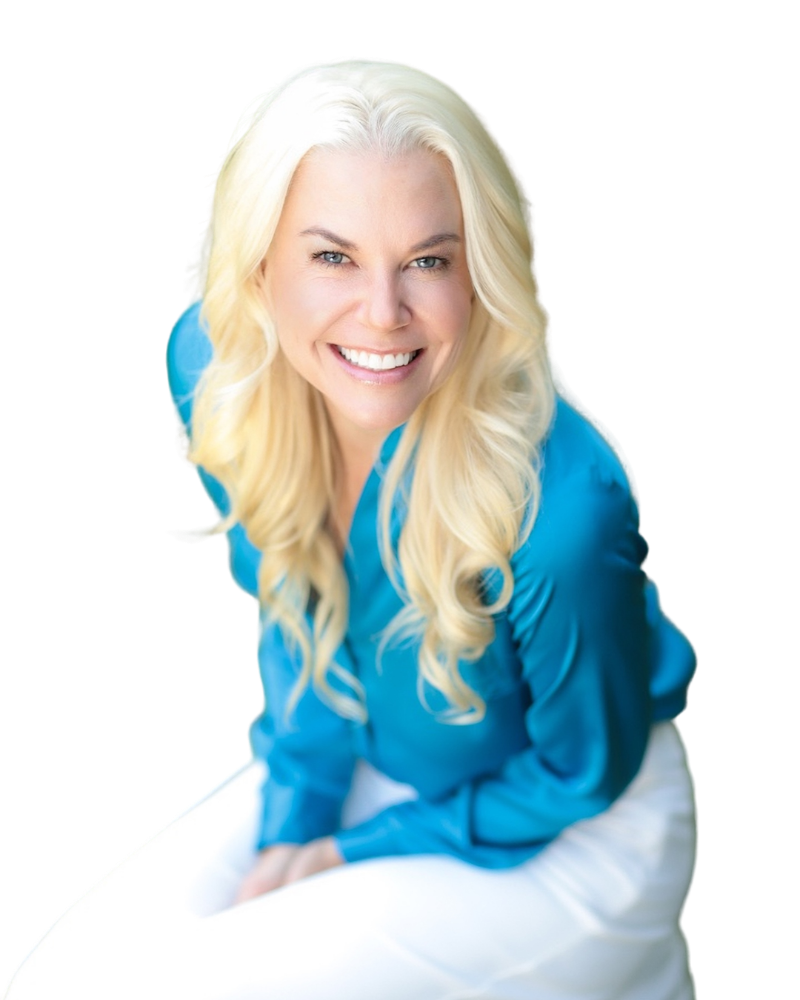
How I learned to see what the data couldn't.
I never expected to do this work. I started out in math and science: analytical, skeptical, and honestly obsessed with being the smartest person in the room and having the most data. My first dream was to research dolphins: their intelligence, communication, and sonar. And at twenty, I did, with Dr. Louis Herman at the Kewalo Basin Marine Mammal Lab. Looking back, I was already circling the question that would shape everything: how do we know what we can't see?
In 2010, I found out. My perception opened, and I started receiving vast amounts of information, far beyond conscious thought. I recognized it for what it was: I had opened up intuitively. And it started guiding me.
This guidance wasn't vague. It was hyper‑specific, and it made no logical sense:
Move to Peru and help build its angel‑investing and entrepreneurial ecosystem.
My Spanish was limited. I wasn't backed by a fund, a firm, or a company, and I had no experience as an entrepreneur or in Latin America. Everyone thought I'd lost my mind.
I went anyway.
Within two months, the Inter-American Development Bank hired me to do exactly what I'd been shown to do: help build the country's first angel-investing network. Soon after, we closed its first interregional partnership and first co-investment deal, and I launched an organization bringing Silicon Valley-style entrepreneurial training to kids. Everything moved so fast that people kept asking how, in an emerging market, two years had produced what normally takes five to ten. Even when I wasn't sure what to do, my perception gave me the next step, and the next. It works the same way navigating uncertainty and rapid change as it did in an unfamiliar country.
“How did this happen in two years, when it normally takes five to ten?”
That's when I understood it. What I'd called intuition wasn't mystical, and it wasn't fortune-telling. It was perception; the brain taking in millions of signals a second, far more than the conscious mind registers, the way a dolphin reads a whole world through sonar the eye can't see. The physics of information: the invisible layer of signals always around us, that we're all wired to perceive but rarely taught to notice, interpret, and act on. So I did what the scientist in me does. I studied it, tested it, and built it into something teachable: Full‑Spectrum Perception.
I've spent more than fifteen years developing this: training in human behavior, the neuroscience of consciousness, advanced perception, and intuitive development, and for the last ten, tracking the role of consciousness in the economy. So with where we are now with AI, I don't see it as a threat. I see an inflection point that was always coming.
We're not losing our human edge. We're being asked to use a different one, and it's been waiting quietly in the background all along.
AI isn't replacing human intelligence. It's taking over the smallest part of the brain.
That's the analytical five percent; the part that runs on about forty bits a second. The rest, perception, context, creativity, the ability to sense what's happening beneath the surface, is where we've always been most human. It's also exactly what no model can replicate.
You don't have to consciously know how to do everything, even with all the data and all the strategy in the world. Advanced perception sees the problem and the solution in the same place, and innovative ideas that don't yet live in the data. It shows you the next step, and the next. It puts you above the maze, where you can see the path others can't, so you solve problems faster, lead through uncertainty, and do things that sound impossible until they're done.
I don't see this moment as the diminishing of humanity. I see it as a rebalancing: we finally stop forcing people to work like machines, and let machines do what they do best. Pair the two, AI and the human capabilities it can't touch, and we don't just get more efficient systems. We get better decisions, better solutions, more people who actually like their work, and a future that takes us farther than we've ever been.
That's the work of the Institute: advancing the uniquely human capabilities that keep people at the leading edge of innovation, leadership, and decision‑making in an AI economy.
Whatever field you or your team is in, I've probably worked in a version of it.
My career has crossed a lot of worlds, and perception has worked the same way in each, which means I can meet you where you are and speak your language.
Perception is our ultimate human advantage.
It's built into you.
The capacity to read a room, a person, a moment isn't a gift some people have, it's a muscle.
Data tells you what. Perception tells you everything else.
Models are commoditized. Everyone has the same dashboards. The edge lives in everything they can't capture: timing, intent, and the read on a room.
A skill, not a personality trait.
Because it's grounded in neuroscience, it can be taught, practiced, and measured, not left to instinct or charisma.
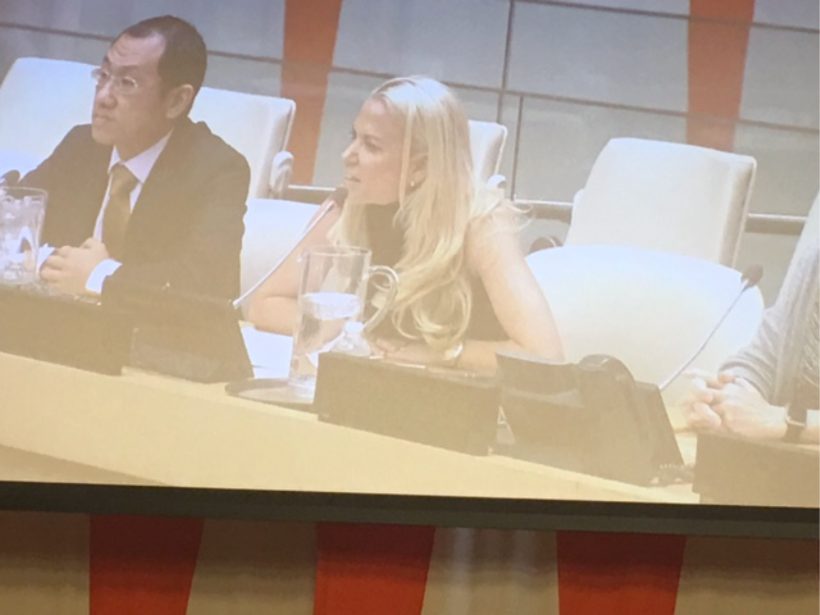
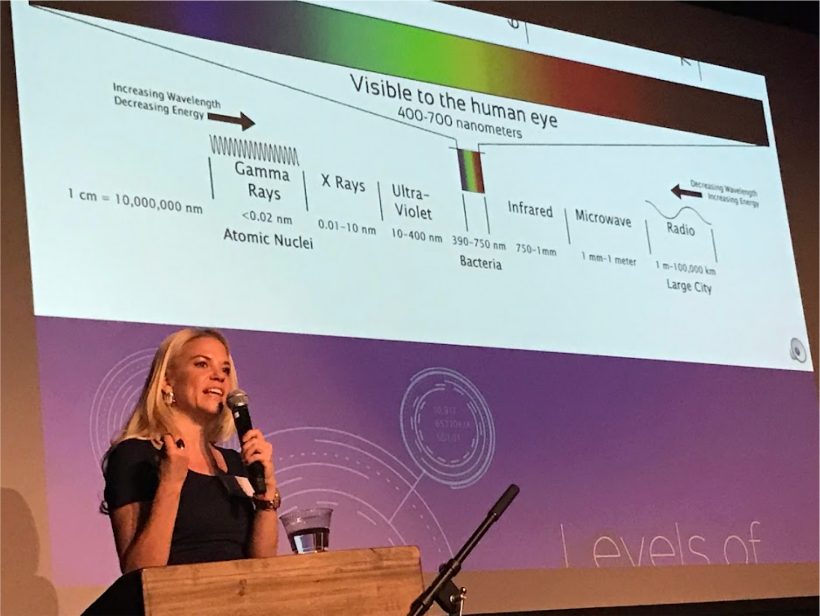
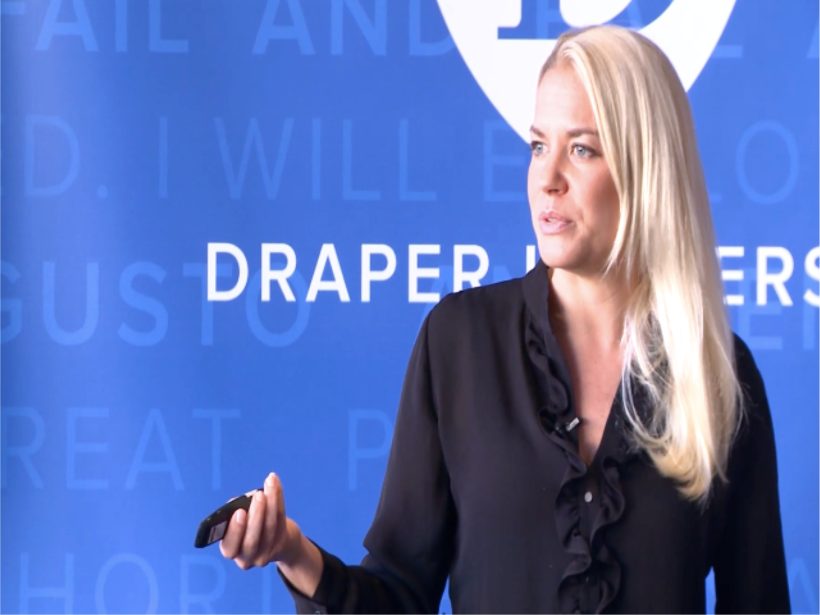
“When everyone has the same intelligence, the advantage goes to whoever sees more. That's not luck; it's perception, and it can be trained.”
Work with Kate.
Bring Full‑Spectrum Perception to your team, your fund, or your stage. It starts with one conversation.